Weight Regain After Stopping GLP-1 What You Should Know
Weight Regain After Stopping GLP-1: What You Should Know
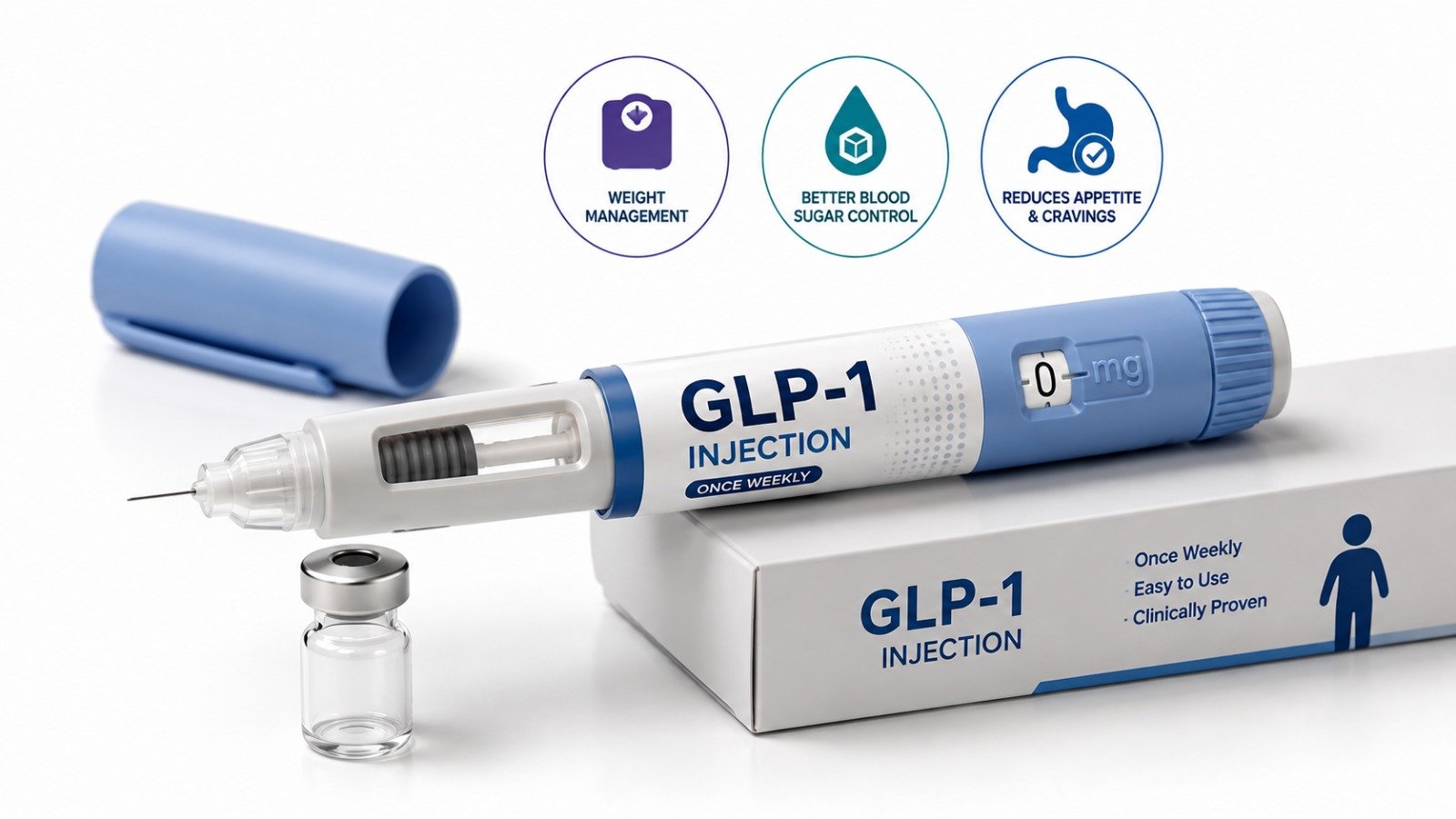
GLP-1 medicines such as Semaglutide and Tirzepatide have helped millions of people lose weight by reducing appetite and improving blood sugar control. However, one important fact many patients are unaware of is that weight regain is common after stopping treatment. This does not mean the medication failed. Instead, it highlights that obesity is often a long-term condition that may require ongoing treatment and healthy lifestyle habits—just like high blood pressure or diabetes.
Why Does Weight Return After Stopping GLP-1?
GLP-1 medicines work by helping you feel full sooner, reducing hunger, slowing stomach emptying, and making it easier to eat smaller portions. These effects make weight loss more achievable while you are taking the medication.
Once the medicine is stopped, these appetite-controlling effects gradually wear off. Hunger often returns, food cravings may increase, and old eating habits can slowly come back, making weight regain more likely.
What Research Shows
| Research Finding | What It Means |
|---|---|
| Weight regain may begin within weeks | Appetite often increases soon after treatment is stopped. |
| Many people regain weight within 12–18 months | A significant portion of lost weight may gradually return. |
| Results vary between individuals | Some people maintain their weight, while others regain much more. |
| Lifestyle remains important | Healthy eating and regular exercise help reduce the risk of regain. |
Although weight regain is common, it is not inevitable. A structured long-term plan can make a significant difference.
Should You Never Stop GLP-1 Treatment?
Not necessarily. Some individuals successfully maintain their weight after stopping, particularly if they have developed strong lifestyle habits and remain physically active.
Others may benefit from a lower maintenance dose or an alternative treatment strategy. The most important step is to discuss your plan with your healthcare provider before making any changes.
Never assume the medication will continue working after it has been stopped.
How to Reduce the Risk of Weight Regain
- Continue eating regular, balanced meals.
- Prioritize protein and high-fiber foods.
- Stay physically active with daily walking or other exercise.
- Add strength training to preserve muscle mass.
- Monitor your weight regularly.
- Contact your doctor early if you notice steady weight gain.
- Continue healthy eating habits even after stopping medication.
- Maintain regular follow-up appointments with your healthcare provider.
Who Is More Likely to Regain Weight?
You may have a higher risk of weight regain if you have:
- A history of repeated dieting and weight cycling.
- Obesity along with diabetes or prediabetes.
- A strong return of appetite soon after stopping GLP-1 therapy.
- Little physical activity or frequent snacking.
- No long-term maintenance or follow-up plan.
Healthy Habits That Help Maintain Weight Loss
- Plan meals instead of eating impulsively.
- Include lean protein at every meal.
- Eat more vegetables and whole grains.
- Exercise most days of the week.
- Sleep adequately and manage stress.
- Track your weight every week.
- Seek medical advice if weight starts increasing again.
Quick Maintenance Checklist
| Do | Avoid |
|---|---|
|
✔ Eat balanced meals ✔ Focus on protein and fiber ✔ Exercise regularly ✔ Monitor weight weekly ✔ Keep follow-up appointments |
✘ Stop medication without advice ✘ Skip meals frequently ✘ Return to unhealthy eating habits ✘ Ignore gradual weight gain ✘ Become inactive |
Bottom Line
GLP-1 medicines are highly effective for weight loss, but stopping treatment often leads to weight regain because appetite and food intake gradually return to previous levels. The best long-term results usually come when medication is combined with healthy eating, regular physical activity, and ongoing medical follow-up. If you are considering stopping your GLP-1 medicine, speak with your healthcare provider first to develop a maintenance plan that helps protect your weight loss and overall health.