Insulin Resistance in PCOS: The Hidden Driver of Weight Gain
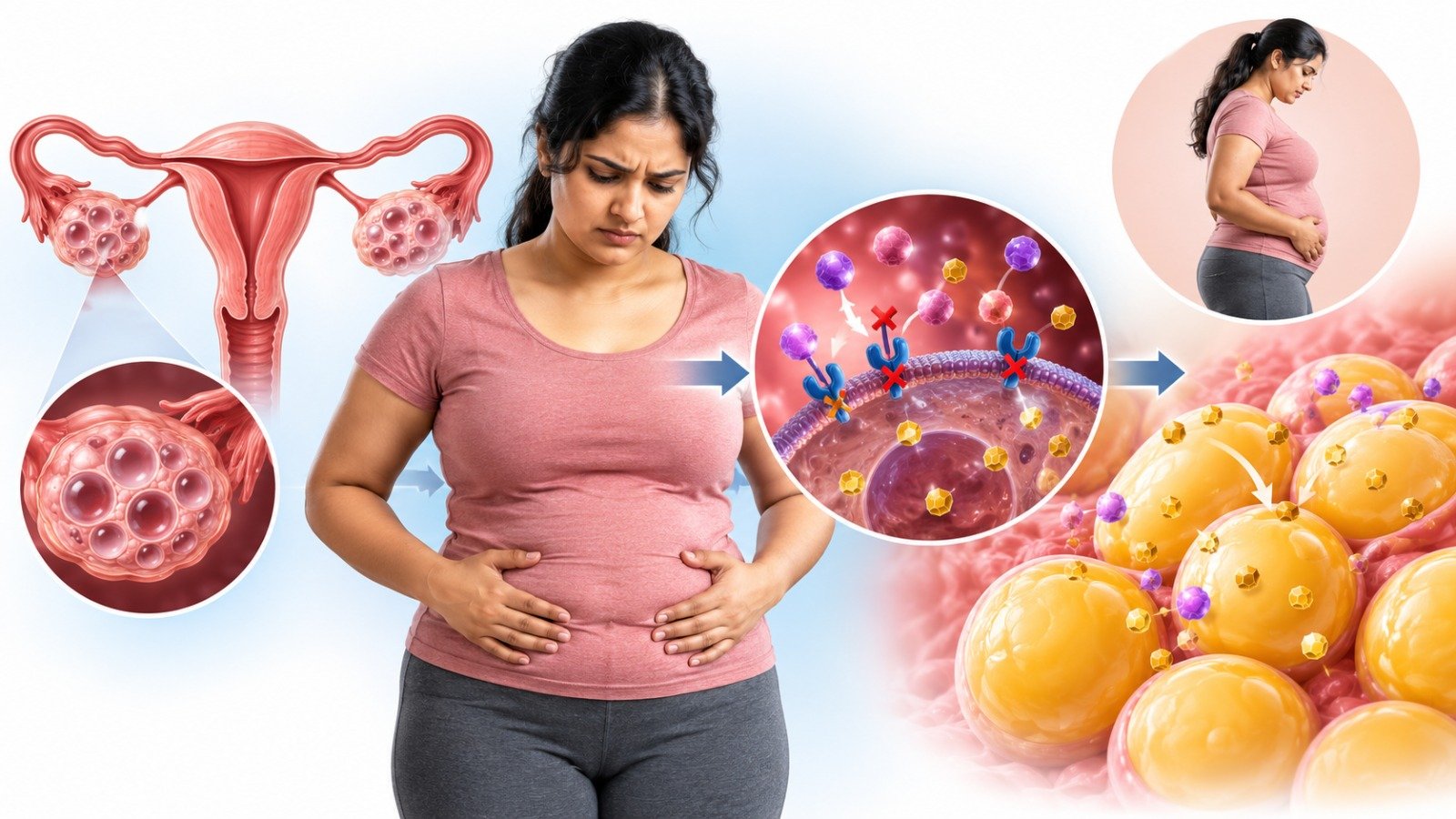
Insulin Resistance in PCOS: The Hidden Driver of Weight Gain
Many women with polycystic ovary syndrome (PCOS) find that weight comes on easily and can be difficult to lose. One important reason is insulin resistance—a condition in which the body's cells respond less effectively to insulin, often leading to higher insulin levels and contributing to metabolic and hormonal changes.
What Is Insulin Resistance?
Insulin is a hormone that helps glucose move from the bloodstream into cells, where it can be used for energy.
In insulin resistance, tissues such as muscle, liver, and fat do not respond normally to insulin. The pancreas may compensate by producing more insulin, resulting in hyperinsulinemia.
Key point: Insulin resistance can develop before blood glucose becomes abnormal. This means a person may have significant metabolic risk even when a routine fasting glucose result appears normal.
Why Is Insulin Resistance Common in PCOS?
PCOS is not only a reproductive or hormonal condition—it is also associated with important metabolic abnormalities. Insulin resistance occurs frequently in PCOS and can also be present in women who are not overweight.
The relationship between insulin resistance and PCOS can become a self-reinforcing cycle:
1. Insulin resistance → The body requires more insulin to maintain normal glucose levels.
2. Higher insulin levels → Insulin can stimulate the ovaries to produce more androgens.
3. Increased androgen activity → Can contribute to menstrual irregularity and other features of PCOS.
4. Increased visceral fat → Can further worsen insulin resistance and metabolic health.
How Can Insulin Resistance Contribute to Weight Gain?
Insulin resistance does not mean that insulin alone "causes" weight gain. Rather, it is part of a broader metabolic environment involving appetite, energy balance, fat distribution, hormonal signaling, and physical activity.
| Metabolic effect | How it may contribute |
|---|---|
| Fat storage and distribution | Insulin promotes energy storage and suppresses fat breakdown, while insulin resistance is associated with increased visceral fat in many people. |
| Appetite and cravings | Insulin resistance can coexist with appetite dysregulation, making hunger management and adherence to a calorie-controlled diet more difficult for some people. |
| Androgen excess | Higher insulin levels can enhance ovarian androgen production and reduce hepatic sex-hormone-binding globulin, increasing biologically active androgens. |
| Reduced fat mobilization | Insulin suppresses lipolysis, reducing the release of stored fatty acids while insulin levels are elevated. |
How Is Insulin Resistance Identified in PCOS?
Insulin resistance does not always produce obvious symptoms, and routine blood glucose testing may not detect it early.
A clinician may evaluate overall metabolic risk using a combination of clinical assessment and laboratory tests, including:
- Fasting glucose
- HbA1c
- Oral glucose tolerance test (OGTT)
- Lipid profile
- Waist circumference and blood pressure
Important: Fasting insulin and calculations such as HOMA-IR can provide research or supplementary information, but they are not universally standardized diagnostic tests for insulin resistance in routine PCOS care. A glucose tolerance test is particularly useful when assessing diabetes risk in PCOS.
What Helps Improve Insulin Resistance in PCOS?
1. Lifestyle Modification — The Foundation
Lifestyle intervention remains a cornerstone of PCOS management, whether or not weight loss is the primary goal.
| Area | Practical approach |
|---|---|
| Nutrition | Emphasize vegetables, fiber-rich foods, legumes, lean protein, whole or minimally processed carbohydrates, and healthy fats. Limit sugary drinks and highly refined foods. |
| Physical activity | Combine aerobic exercise with resistance training to improve insulin sensitivity, cardiovascular fitness, and muscle strength. |
| Weight management | For women who are overweight or have obesity, even modest weight loss can improve metabolic and reproductive outcomes. Benefits can also occur without substantial weight loss. |
2. Metformin
Metformin is commonly used in PCOS, particularly when metabolic abnormalities, impaired glucose tolerance, or other appropriate indications are present.
It primarily reduces hepatic glucose production and can improve insulin sensitivity. In some women with PCOS, metformin may modestly improve:
- Insulin resistance and glucose metabolism
- Weight-related outcomes
- Lipid abnormalities
- Menstrual regularity and ovulatory function
Remember: Metformin is not a substitute for healthy eating and physical activity. Its role should be individualized based on metabolic risk, reproductive goals, BMI, glucose status, and other clinical factors.
3. GLP-1 Receptor Agonists and Other Options
For women with obesity or significant metabolic risk, anti-obesity medications such as GLP-1 receptor agonists may be considered when appropriate.
Medications such as semaglutide and liraglutide can promote clinically meaningful weight loss and improve several metabolic measures in appropriate patients.
In selected individuals with severe obesity and related complications, metabolic bariatric surgery may also be considered.
Clinical note: These treatments are not automatically indicated for every woman with PCOS. Choice of therapy depends on BMI, metabolic health, reproductive plans, contraindications, treatment goals, and clinician assessment.
Why Does Insulin Resistance Matter Long Term?
Insulin resistance in PCOS is important not only because of weight management, but because it can increase long-term metabolic risk.
| Potential risk | Why it matters |
|---|---|
| Prediabetes & Type 2 Diabetes | Persistent insulin resistance can increase the likelihood of abnormal glucose regulation and diabetes over time. |
| Dyslipidemia | PCOS can be associated with unfavorable lipid patterns and other cardiovascular risk factors. |
| Fatty Liver Disease | Insulin resistance and excess visceral fat are important risk factors for metabolic dysfunction-associated steatotic liver disease. |
| Hormonal & Reproductive Effects | Hyperinsulinemia can contribute to androgen excess, menstrual irregularity, and ovulatory dysfunction. |
A Simple PCOS Metabolic Health Checklist
| Area | What to consider |
|---|---|
| Glucose health | Fasting glucose, HbA1c and, when appropriate, an OGTT |
| Nutrition | High-fiber foods, adequate protein, minimally processed carbohydrates and fewer sugary drinks |
| Exercise | Regular aerobic activity plus resistance training |
| Weight & waist | Track trends in weight, waist circumference and overall metabolic health—not just BMI |
| Medical treatment | Discuss metformin or anti-obesity medications when clinically appropriate |
Bottom Line
Insulin resistance is an important metabolic feature of PCOS and can contribute to weight gain, abdominal fat accumulation, androgen excess, and increased long-term risk of prediabetes and type 2 diabetes. The goal is not simply to "lower insulin," but to improve overall metabolic health through regular physical activity, balanced nutrition, appropriate weight management, and medication when indicated. Early recognition and individualized treatment can improve both metabolic and reproductive health in women with PCOS.