How Cortisol and Stress Hormones Cause Weight Gain
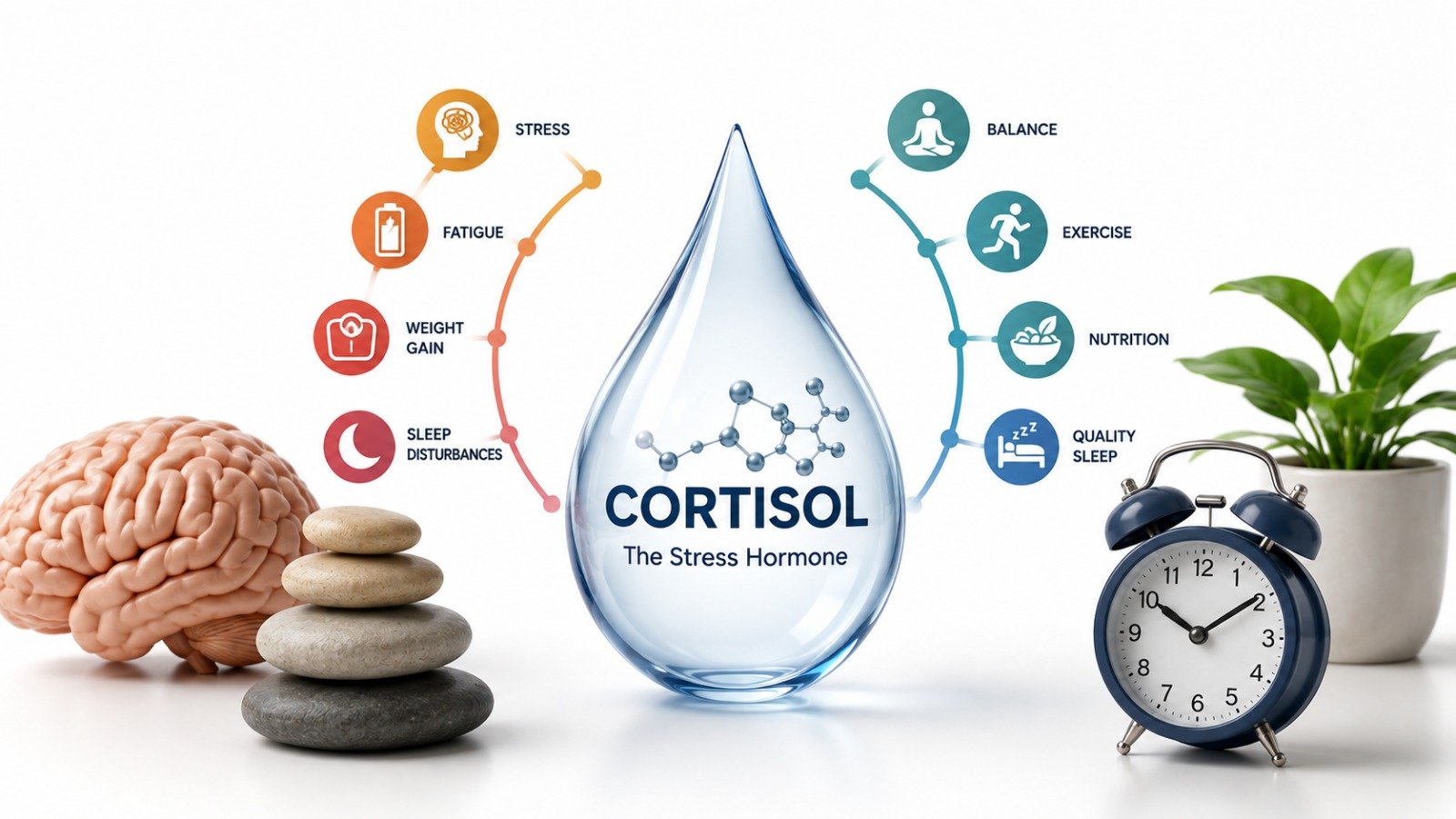
How Cortisol and Stress Hormones Cause Weight Gain
Stress is not just a feeling—it is a biological response that can affect appetite, sleep, blood sugar, metabolism, and how your body stores fat. One of the main hormones involved is cortisol, the body's primary stress hormone. When the stress response remains active for long periods, it can create conditions that make weight gain more likely, particularly around the abdomen.
What Is Cortisol?
Cortisol is a hormone produced by the adrenal glands. It plays an important role in the body's response to physical and psychological stress. Cortisol helps maintain blood pressure, regulate metabolism, support immune function, and make energy available when the body needs it.
During short-term stress, cortisol can be helpful. It increases the availability of glucose so the brain and muscles have quick energy and helps the body respond to a stressful situation.
The problem can arise when stress becomes chronic. Modern stressors such as work pressure, financial concerns, family responsibilities, poor sleep, and ongoing emotional stress can repeatedly activate the same stress-response system.
How Chronic Stress Can Contribute to Weight Gain
| Effect of Chronic Stress | How It May Affect Weight |
|---|---|
| Increased Appetite | Stress can increase hunger and cravings for high-calorie foods. |
| More Abdominal Fat | Chronic stress is associated with greater visceral fat accumulation. |
| Blood Sugar Changes | Repeated stress responses can contribute to higher blood glucose and insulin resistance. |
| Muscle Breakdown | Persistently elevated cortisol can promote protein breakdown and make maintaining muscle more difficult. |
| Poor Sleep | Stress can disrupt sleep, which can further increase hunger, cravings, and fatigue. |
1. Increased Appetite and Food Cravings
Chronic stress can change appetite and eating behavior. When people are stressed, they may experience stronger cravings for high-fat, high-sugar, and energy-dense foods.
Stress can also affect the hormones and brain pathways involved in hunger and satiety. As a result, you may feel hungrier, eat more frequently, or find it harder to feel satisfied after eating.
This can create a cycle in which stress leads to overeating, followed by weight gain and further emotional or physical stress.
2. Why Stress Can Increase Belly Fat
Chronic stress is associated with changes in body-fat distribution. In some people, prolonged stress may contribute to increased accumulation of visceral fat around the abdomen.
Visceral fat is the fat stored around internal organs. It is metabolically active and is strongly associated with insulin resistance, type 2 diabetes, high blood pressure, and cardiovascular disease.
This is one reason why long-term stress management is important for metabolic health, not just emotional well-being.
3. Stress, Insulin Resistance, and Blood Sugar
Cortisol helps raise blood glucose during stressful situations so that the body has enough energy available. This is useful in the short term, but repeated activation of the stress response can contribute to persistently higher blood sugar levels.
Over time, chronic stress may contribute to insulin resistance, particularly when combined with excess abdominal fat, poor sleep, physical inactivity, and an unhealthy diet.
Higher blood sugar and insulin resistance can make weight management more difficult and increase the long-term risk of metabolic disease.
4. Muscle Loss and Metabolic Health
Persistently elevated cortisol can promote the breakdown of proteins and may make it harder to maintain muscle mass, particularly when combined with inadequate protein intake, inactivity, or prolonged calorie restriction.
Muscle tissue plays an important role in glucose metabolism and energy expenditure. Maintaining muscle through adequate protein intake and resistance training can therefore be an important part of healthy weight management.
5. Poor Sleep Creates a Vicious Cycle
Chronic stress can interfere with sleep, and inadequate sleep can make appetite and weight management more difficult. Poor sleep may increase hunger, cravings, fatigue, and the tendency to choose calorie-dense foods.
This can create a repeating cycle:
Breaking this cycle requires attention to both stress management and healthy lifestyle habits.
Who May Be More Affected?
People do not respond to stress in exactly the same way. Weight gain during stressful periods can be influenced by genetics, eating behavior, sleep, physical activity, medications, and existing metabolic health.
You may be more vulnerable to stress-related weight gain if you have:
- A family history of obesity or diabetes.
- A tendency to accumulate fat around the abdomen.
- Poor or irregular sleep.
- High levels of ongoing stress.
- Frequent emotional eating or snacking.
- Low levels of physical activity.
How to Break the Stress–Weight Gain Cycle
- Prioritize sleep: Aim for regular, good-quality sleep and maintain a consistent sleep schedule.
- Stay active: Walking, aerobic exercise, and strength training support metabolic health and insulin sensitivity.
- Eat regular meals: Focus on protein, vegetables, whole grains, and high-fiber foods instead of skipping meals and overeating later.
- Practice stress-management techniques: Breathing exercises, mindfulness, meditation, prayer, or counseling may help reduce the impact of chronic stress.
- Limit excess caffeine: Too much caffeine, especially later in the day, can interfere with sleep and increase feelings of stress in some people.
- Limit alcohol: Alcohol can disrupt sleep, increase calorie intake, and make weight management more difficult.
When Should You See a Doctor?
Stress-related weight gain is common, but not every case of weight gain is caused by cortisol. If weight changes are significant, rapid, unexplained, or accompanied by other symptoms, medical evaluation may be appropriate.
Speak with a healthcare professional if you experience:
- Rapid or unexplained weight gain.
- Significant weight gain concentrated around the abdomen.
- Persistent muscle weakness.
- Easy bruising or unusual skin changes.
- High blood pressure or abnormal blood sugar.
- Major changes in menstrual cycles.
- Severe or persistent fatigue.
- Symptoms that suggest an endocrine disorder.
True conditions involving excessive cortisol production, such as Cushing's syndrome, are uncommon but require medical evaluation and treatment.
Quick Stress & Weight Management Checklist
| Do | Avoid |
|---|---|
|
✔ Sleep regularly ✔ Walk daily ✔ Strength train ✔ Eat enough protein and fiber ✔ Manage stress actively ✔ Stay hydrated |
✘ Chronic sleep deprivation ✘ Frequent emotional eating ✘ Skipping meals and overeating later ✘ Excess caffeine ✘ Excess alcohol ✘ Long periods of inactivity |
Bottom Line
Cortisol and other stress hormones do not automatically cause weight gain, but chronic stress can create biological and behavioral conditions that make gaining weight easier. Increased appetite and cravings, changes in abdominal fat distribution, blood sugar disturbances, muscle loss, and poor sleep can all contribute to difficulty managing weight. Stress management is therefore an important part of long-term metabolic health. If weight gain is rapid, unexplained, or accompanied by other hormonal symptoms, speak with a healthcare professional to determine whether an underlying endocrine condition needs to be evaluated.