GLP-1 and Muscle Loss: How to Protect Lean Mass While Losing Fat
GLP-1 and Muscle Loss: How to Protect Lean Mass While Losing Fat
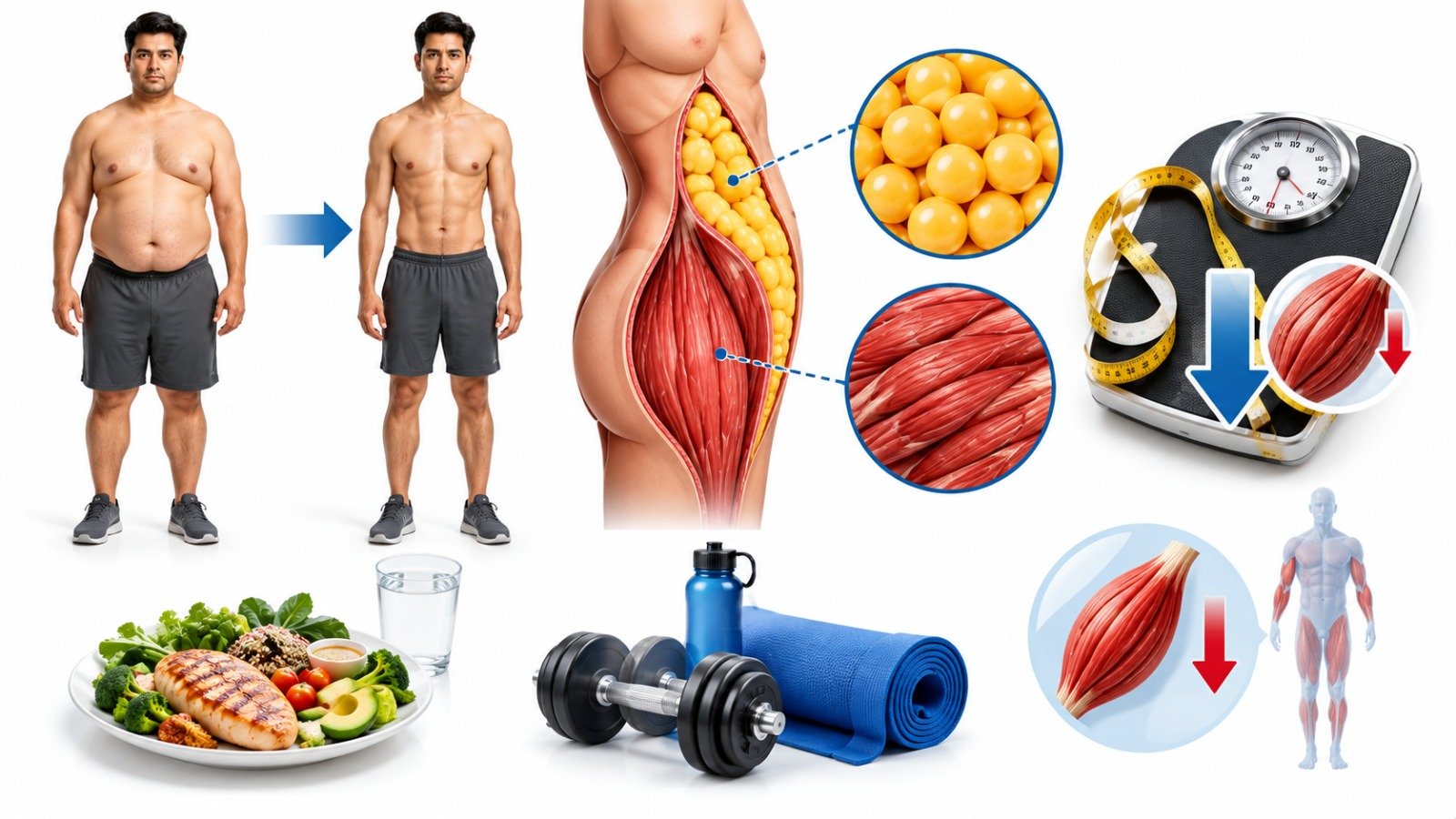
GLP-1 medicines such as semaglutide and tirzepatide can produce substantial, health-improving weight loss. But not all weight lost is body fat. A meaningful portion can come from lean soft tissue, which is why the quality of weight loss matters. The goal should be to reduce excess fat while preserving muscle, strength, physical function, and metabolic health.
Why Can Muscle Drop During GLP-1 Treatment?
GLP-1 medicines are not considered directly toxic to muscle. Lean-mass loss during treatment is more likely related to the normal biology of weight loss and the substantial reduction in food intake that can occur with appetite suppression.
- Reduced appetite: Eating much less can also mean consuming less protein and fewer total calories.
- Rapid weight loss: The body adapts to a lower energy intake and lower body weight.
- Reduced physical activity: Nausea, fatigue, or other gastrointestinal symptoms may make exercise more difficult.
- Normal weight-loss physiology: Some loss of lean tissue commonly occurs alongside fat loss, even without medication.
The good news is that adequate protein and progressive resistance training can help reduce the loss of lean mass during weight loss.
The Two Most Important Muscle-Protecting Strategies
| Strategy | Practical Target |
|---|---|
| Protein | About 1.2–1.6 g/kg/day, adjusted for individual needs. |
| Resistance training | 2–3 sessions per week targeting all major muscle groups. |
The combination is more important than focusing on either strategy alone. A structured lifestyle program that combines protein, resistance exercise, and appropriate calorie intake can help improve the quality of weight loss.
1. Set a Protein Target
A practical target for many adults undergoing weight loss is approximately 1.2–1.6 g of protein per kg of body weight per day. Depending on body size and clinical circumstances, your clinician or dietitian may recommend using goal or ideal body weight when calculating protein needs.
Rather than consuming most of your protein in one meal, distribute it across the day. A common practical approach is 3–4 protein-containing meals, with roughly 25–30 g per meal when appropriate for the individual.
- Eat a protein-rich food first at meals.
- Include dairy, eggs, fish, poultry, soy, or other high-quality protein sources.
- Include plant proteins such as dal, beans, lentils, and soy.
- Consider a protein shake or fortified food if reduced appetite makes it difficult to meet your target through meals.
Important: Protein targets may need to be modified if you have kidney disease or another medical condition. Discuss your individual target with your healthcare professional.
2. Do Resistance Training Consistently
Resistance training gives your muscles a reason to stay strong while your body is losing weight. A practical starting point is 2–3 sessions per week, with exercises covering the major muscle groups.
| Movement Pattern | Examples |
|---|---|
| Knee-dominant | Squat or leg press |
| Hip-dominant | Hip hinge, deadlift variation, or hip thrust |
| Horizontal push | Push-up or bench press |
| Horizontal pull | Row variation |
| Vertical push | Overhead press |
| Vertical pull | Lat pulldown or assisted pull-up |
If you are new to strength training, begin with body-weight exercises or light resistance and gradually increase the challenge. The goal is progressive overload and consistency, not exhausting yourself.
3. Keep Moving Between Strength Sessions
Resistance training is central to muscle preservation, but regular movement also matters. Add activities such as brisk walking, cycling, swimming, or other aerobic exercise according to your fitness level.
- Stay physically active throughout the day.
- Walk regularly rather than remaining seated for long periods.
- Use aerobic exercise to support cardiovascular health.
- Allow enough recovery between demanding workouts.
The goal is consistent activity that supports health and fitness without compromising recovery or making it harder to maintain adequate nutrition.
4. Don't Ignore Side Effects
Nausea, vomiting, constipation, diarrhea, or fatigue can make it difficult to eat enough protein or maintain an exercise routine.
If side effects are interfering with your nutrition, hydration, or physical activity, tell your healthcare provider. Your treatment plan may need adjustment, including changes in dose escalation or strategies to manage gastrointestinal symptoms.
Do not deliberately push through severe symptoms simply to lose weight faster. Quality of weight loss matters.
5. Monitor More Than the Scale
Body weight alone cannot tell you whether the weight you are losing is primarily fat, muscle, or a combination of both.
| What to Monitor | What It Can Tell You |
|---|---|
| Strength | Whether you are maintaining or improving physical strength. |
| Waist circumference | Changes in central body size and abdominal fat. |
| Body composition | DEXA, BIA, or other assessments can provide information about fat and lean mass. |
| Function and mobility | Whether everyday physical abilities and independence are being maintained. |
If strength or lean mass appears to be falling faster than expected, review your protein intake, resistance-training program, calorie deficit, and medication plan with your healthcare team.
Who Needs Extra Attention?
Some people may be particularly vulnerable to clinically important muscle loss during weight reduction.
- Older adults.
- People with type 2 diabetes.
- Peri- and postmenopausal women.
- People who already have low muscle mass or reduced physical function.
- People experiencing very rapid weight loss or significant appetite suppression.
These groups can benefit from early protein planning, structured resistance training, and regular assessment of strength and function.
Quick Muscle-Protection Checklist
| Do | Avoid |
|---|---|
| ← Back to Blog Book Appointment at EQUA |